
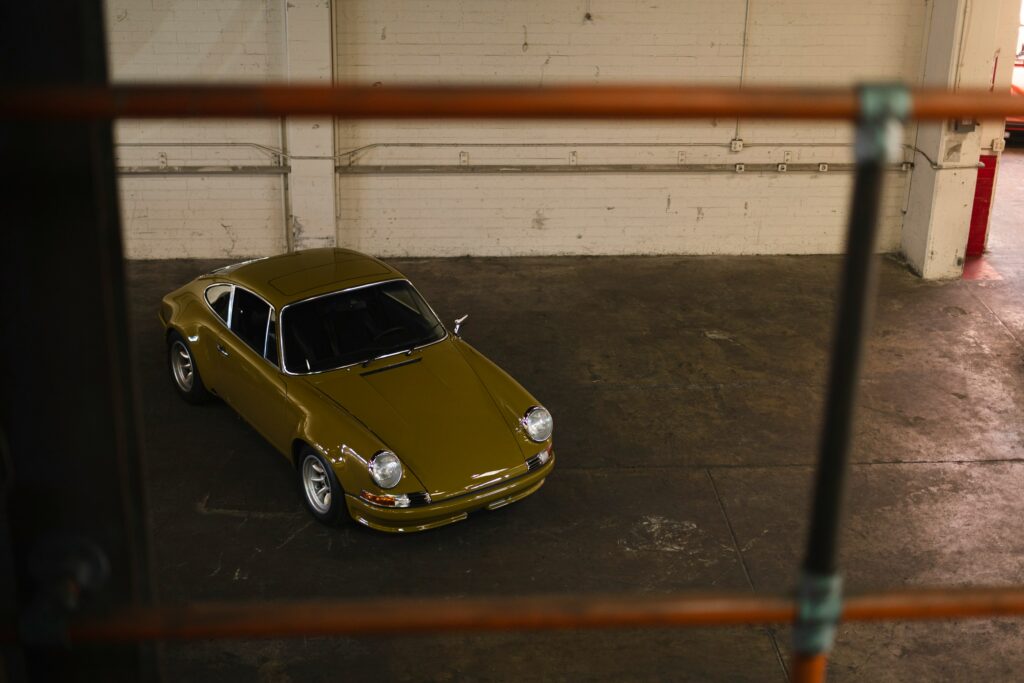
Winter storage is not a simple seasonal pause, but a delicate phase in the life of a Porsche, directly involving the engine, battery, tyres and the environment in which the car is kept. Whether it is an air-cooled 911, a 1990s youngtimer, or a modern high‑performance model, leaving the car stationary for weeks or months without the proper precautions can lead to mechanical, electrical and cosmetic issues. Properly storing a Porsche over the winter means protecting reliability, preserving value and ensuring the car is ready to return to the road without unpleasant surprises.
Here the focus is on correct garage storage during the winter months, when prolonged inactivity becomes a critical factor for component reliability and longevity. If the car is instead used during the cold season, with low temperatures or snowy conditions, it is advisable to refer to our guide to driving in winter and on snow, dedicated to on‑road use and preparation.
Contenuti
Preparing your Porsche for winter storage: classic vs modern models
Before closing the garage door and leaving the car at rest, it is essential to start from a clean and protected baseline. A thorough exterior wash, followed by complete drying, prevents dirt, salt and contaminants from remaining in contact with the paintwork for extended periods. Wheel arches and the underbody also deserve attention, as they are often overlooked yet highly exposed to moisture and corrosive agents.
Inside the cabin, leather, Alcantara and plastics should be treated with dedicated products, avoiding aggressive solutions that may dry out or stain materials during storage. Door and window seals are particularly important: keeping them supple reduces the risk of cracking and leaks when the car is returned to service. On classic Porsches, these details have a direct impact on overall preservation.
Engine and mechanical components: what to do before storage
Engine care also varies depending on the cooling system, a central theme in the history of Porsche engines. Air‑cooled Porsches, typically more sensitive to oil quality and internal condensation, require different precautions compared to water‑cooled models, where the cooling circuit and auxiliary fluids also come into play.
One of the most discussed topics is engine oil. In the case of prolonged storage, it is advisable to change the oil before putting the car away, preventing acidic residues or contaminants from remaining inside the engine for months. This precaution is particularly important for air‑cooled engines, such as those found in iconic models like the Porsche 993.
The fuel system deserves equal attention. On older models, leaving the tank completely empty can encourage condensation; conversely, a full tank reduces this risk. On modern cars, such as the Porsche 996, electronics manage these conditions more effectively, yet long periods of total inactivity should still be avoided without appropriate precautions.
A common mistake is periodically starting the engine for a few minutes. If the car does not reach operating temperature, internal condensation may actually increase without providing any real benefit. In many cases, it is preferable to leave the engine off until the car is ready to be driven again.
Battery and electronics
The battery is one of the most critical components during winter storage. On modern Porsches, equipped with numerous control units and electronic systems, a discharged battery can lead to faults and unwanted warning messages. Using a high‑quality battery maintainer is often the best solution, as it preserves charge without disconnecting the battery.
On older models, disconnecting the battery can be a valid option, provided it is stored in a dry, temperate environment. In both cases, improvised or low‑quality solutions often create more problems than they solve.
Tyres, brakes and suspension during storage
Prolonged inactivity can cause tyre deformation and promote surface oxidation on brake discs. In many cases, especially for storage lasting a few weeks or a couple of months, slightly increasing tyre pressure above normal operating values is sufficient to reduce the risk of flat‑spotting.
The use of axle stands becomes advisable when the Porsche is intended to remain unused for a very long period, typically beyond three or four months, or in the case of particularly light cars or stiff‑sidewall tyres that are more prone to deformation. In these scenarios, lifting the car helps preserve both tyres and suspension components by avoiding prolonged static loads.
As for the braking system, light surface rust on the discs during storage is normal and usually disappears after the first few kilometres of driving. However, very humid environments or extended inactivity may require a more careful inspection before returning the car to the road.
Garage conditions, humidity and environment
The garage plays a fundamental role in winter storage. A dry, well‑ventilated space with the most stable temperatures possible significantly reduces the risk of corrosion and material degradation. Humidity is the primary enemy, particularly for interiors, electrical components and metal parts.
Car covers must also be chosen carefully. Non‑breathable covers can trap moisture and encourage mould or corrosion. Dedicated breathable covers are preferable, as they protect the car without sealing it off from its surroundings.
Putting your Porsche back on the road after winter
At the end of the storage period, returning the car to the road should never be rushed. A general visual inspection, checking fluid levels and battery condition are the first steps. The initial start‑up should be carried out calmly, allowing the engine to gradually return to correct operating conditions.
During the first kilometres, it is advisable to drive gently, giving brakes, tyres and mechanical components time to settle again after prolonged inactivity.
Winter storage is not a period of neglect, but an active phase of Porsche maintenance. Taking care of the car even when it is not being driven means respecting its engineering, preserving its value and ensuring a long operational life-distinguishing simple ownership from a true culture built on attention, competence and responsibility.

